


Why the Motor Matters: The Overlooked Factor in Roller Shutter Quality

When homeowners compare roller shutters, most of the attention goes to the visible parts: the slats, the colour, the finish, the price per metre. What gets far less scrutiny is the component that actually determines whether the shutter still works properly in five years, the motor. That is a problem, because the motor is arguably the single biggest factor in how a motorised shutter performs over its lifetime.
The Part You Do Not See Is the Part That Fails First
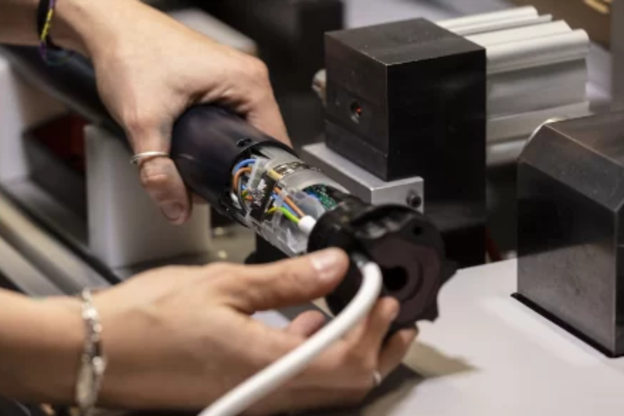
A roller shutter's slats and housing are relatively simple, durable components. The motor, by contrast, is a precision mechanical and electrical unit doing repeated, weighted work, lifting and lowering a heavy shutter, day after day, often for a decade or more. When a shutter stops working, it is rarely the slats that have failed. It is almost always the motor. This is exactly why motor quality varies so dramatically between manufacturers, and why it deserves far more attention in the buying decision than it typically gets.

Not All Motors Are Built the Same
A significant portion of the roller shutter market runs on motors imported from Chinese manufacturers, produced at scale and priced to compete on cost. Some of these motors perform adequately. Others are engineered to a lower tolerance, with shorter realistic lifespans, noisier operation, and less robust protection against the electrical faults and mechanical wear that come from years of Australian summers and winters. Because the motor is hidden inside the housing, this is one of the easiest places for cost cutting to happen without a customer noticing at the point of sale.
At the other end of the market are manufacturers like Cherubini, an Italian company with a long standing reputation for precision engineered shutter and awning motors. Cherubini motors are generally regarded as among the more reliable and quietly operating options available, built to a manufacturing standard that reflects decades of specialisation in exactly this kind of mechanism.
Comparing Motor Quality
Factor | Budget Imported Motors | Precision Engineered Motors (e.g. Cherubini) |
Noise level | Often noticeably louder, worsens with age | Designed for quiet, smooth operation |
Typical lifespan | Shorter, more prone to early failure | Built for long term daily use |
Climate protection | Variable, often minimal | Engineered heat and moisture protection |
Parts and servicing | Can be difficult to source | Established service networks |
Why This Should Factor Into Your Decision
The difference between a budget motor and a precision engineered one typically shows up a few years into ownership: noisier operation, slower response, more frequent servicing, and a shorter realistic lifespan before the motor needs replacing entirely, an expensive and disruptive job once a shutter is already installed and the housing is closed up
This is worth asking about directly when you are comparing quotes. A supplier should be able to tell you, specifically, which motor brand is going into your shutters, not just describe it as high quality or premium without naming the manufacturer.
Some Melbourne manufacturers use Cherubini motorisation systems across their range, giving homeowners access to the same precision engineered motors used in higher end European shutter and awning products, rather than a generic imported alternative.
Noise Is an Underrated Indicator
One of the more practical, everyday ways motor quality reveals itself is noise. Budget motors tend to operate with a noticeably louder whir or grind, particularly as they age and internal tolerances start to wear. Precision engineered motors, by contrast, are built to operate quietly and smoothly across their full lifespan, a detail that matters more than it might seem for bedrooms, home offices, or any room where a shutter gets opened and closed daily.
Servicing history is another practical signal worth asking about. Reputable motor manufacturers with a long track record typically have established service networks and readily available replacement parts, whereas cheaper, less established motor brands can leave homeowners waiting weeks for parts, or unable to source them at all, when something eventually needs attention.
What to Ask Before You Sign a Quote
Beyond the motor brand itself, it is worth asking:
● How is the motor protected against heat during long summer stretches?
● What moisture sealing protects the internal components from humidity and rain intrusion? The international standard for this, known as the IP rating system, is a useful reference point when comparing specifications.
● Does the warranty cover the motor specifically, or only the shutter housing and slats?
Some suppliers offer strong coverage on the shutter housing but far weaker coverage on the motor itself, effectively shifting the highest risk component onto the homeowner after a shorter period.


Comments